Why Goats Got a Bad Rap (And Why It’s Totally Unfair)
April 21, 2025 · Shawn Sweeney
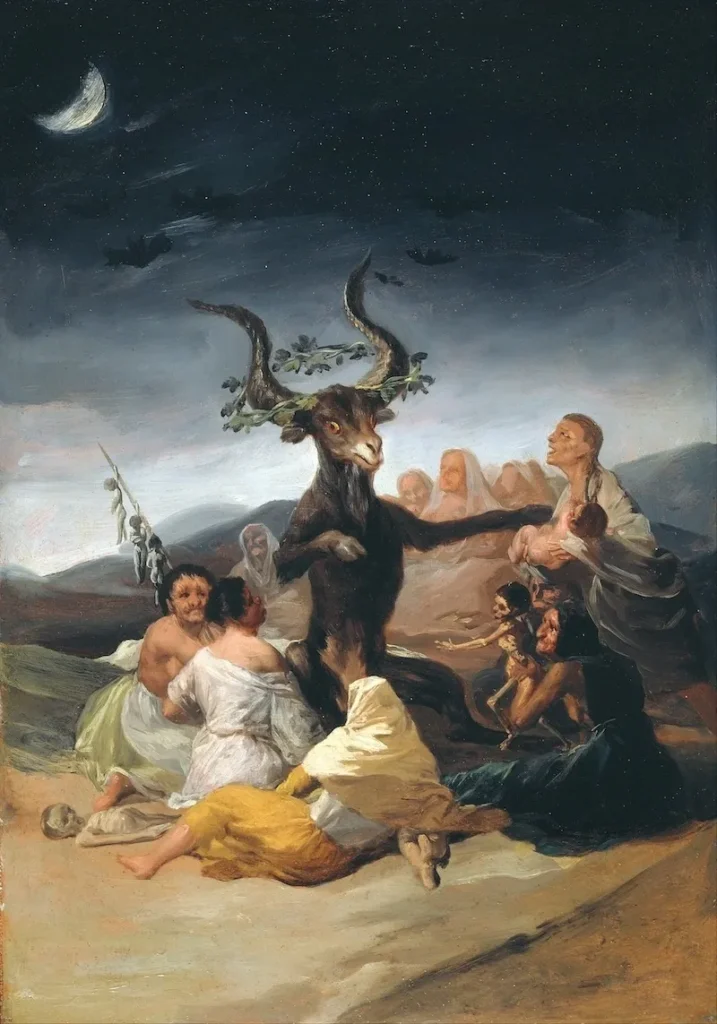
Okay, so here’s the thing about goats – they’ve been getting a seriously raw deal for centuries. Like, imagine being this super helpful farm animal that provides milk, cheese, meat, and fiber, and then humans decide to make you the poster child for evil. Talk about ungrateful, right?
How Did This Even Start?
So I was looking into this whole “goats are evil” thing, and it’s wild how deep this misconception goes. A lot of it comes down to some unfortunate physical characteristics that people back in the day found creepy:
Those horizontal pupils? Yeah, they’re actually amazing adaptations that give goats nearly 340-degree vision to spot predators. But to superstitious folks centuries ago, they looked “demonic.”
And those horns? Super useful for self-defense and establishing the goat pecking order, but historically associated with demons. Not exactly fair.
The Religious Angle
Here’s where things really went sideways for goats. In Christianity, there’s that whole sheep/goats division – you know, sheep go to heaven, goats… not so much. Jesus used this farming metaphor in a parable where sheep represented the righteous and goats the damned.
But hang on – this was just a metaphor! Jesus wasn’t actually saying goats themselves were evil. It’s like if I said “she’s as stubborn as a mule” – I’m not suggesting mules have a moral failing!
And don’t get me started on the whole “scapegoat” tradition. Ancient communities would symbolically transfer their sins onto a goat and send it into the wilderness. The poor goat didn’t do anything wrong – it was literally being used as a convenient way for humans to avoid responsibility!
But wait, there’s more! In the Old Testament, goats were associated with fertility and vitality (which, honestly, should be a good thing, right?). The problem is, when early Christianity was trying to distance itself from pagan traditions, all those pagan fertility symbols got recast as sinful or demonic. So those randy goats became symbols of lust and excess. Talk about a rebrand nobody asked for!
And remember that whole Baphomet thing? Medieval Templars were accused of worshipping this goat-headed deity, which basically cemented the goat’s association with occult practices. Never mind that there’s serious doubt whether the Templars actually worshipped anything like that – the damage to goat PR was already done.
Oh, and get this – even the ancient Greeks had Pan, a nature deity who was half-goat and known for chasing nymphs around. Later Christian interpretations basically turned Pan into a proto-devil figure. The poor guy just liked to play pipes in the forest and maybe party a little too hard. But once Christianity spread, those goat legs and horns became shorthand for “definitely evil, do not trust.”
The Medieval Mess
The Middle Ages were basically PR disaster central for goats. During witch trials (which, let’s be honest, were already problematic on so many levels), goats got dragged into the whole mess.
The connection between goats and witchcraft or Satan became so commonplace that images of the devil started incorporating goat features – the horns, the beard, sometimes the hooves. Talk about character assassination!
Meanwhile, regular folks keeping goats for perfectly legitimate farming reasons suddenly looked suspicious. Not cool, Medieval Europe, not cool at all.
But you know what made it even worse? That whole thing about witches supposedly kissing a goat’s behind during Black Sabbath rituals. Yeah, that was actually a widespread belief. Imagine being a farmer who’s just trying to make a living with your goats, and suddenly your neighbors are side-eyeing you because they think you’re getting way too friendly with your livestock on the weekends. Awkward!
And then there were the woodcuts and paintings. Medieval and Renaissance artists really leaned into the whole “goats = bad news” imagery. They’d depict sabbaths and demonic gatherings with goats front and center. These images circulated among people who may never have even seen a real goat up close, cementing the association in popular culture.
The inquisitors’ manuals (yes, that was a thing) specifically mentioned goats as potential forms the devil might take. So if you had a particularly handsome or unusual goat in medieval times, you might actually be putting yourself at risk. Can you imagine? “Your Honor, I’m not a witch, I just have a really good breeding program!”
By the time we hit the 1500s, the connection was so strong that pretty much any depiction of the devil included some goat features. Shakespeare even gets in on this with the “eye of newt and toe of frog, wool of bat and tongue of dog” witch’s brew in Macbeth – the implication being that all this creepy stuff might be used to summon a goat-like devil. Poor goats never stood a chance.
What Goats Are ACTUALLY Like
I’ve spent time around goats, and let me tell you – they’re basically the golden retrievers of farm animals. They’re curious, playful, and ridiculously smart. Have you ever seen baby goats (kids) bouncing around? It’s pretty much impossible to watch that and still think they’re evil.
Goats are problem-solvers too. That reputation for eating everything? It’s exaggerated, but they are natural browsers who like to explore with their mouths. They’re not destroying your stuff to be jerks – they’re just curious!
And the climbing thing? That’s not some demonic trait – they evolved in mountainous regions! They’re just doing what comes naturally.
Why We Should Give Goats a Break
Look, it’s 2025, and we’re still dragging around medieval superstitions about these incredibly useful animals. Goats are sustainability superstars:
- They thrive on marginal land where other livestock can’t
- They’re excellent at clearing brush (natural fire prevention!)
- They produce nutritious milk that many people with cow milk allergies can digest
- They’re efficient converters of feed to protein
- They’re adaptable to different climates
Plus, if you’ve ever interacted with goats, you know they’ve got personality for days. They recognize their humans, come when called, and some even enjoy cuddling. Evil creatures don’t cuddle, people!
Time for a Rebrand
I think it’s high time we rehabilitated the goat’s image. These hardworking farm animals deserve better than being associated with devils and demons just because some folks centuries ago were freaked out by their eyes.
So next time you see a goat, maybe give it a nod of respect. After all, they’ve been putting up with humanity’s nonsense for thousands of years and still provide us with cheese, milk, and endless cute videos of goat kids in pajamas jumping around.
And honestly, if that’s not proof they’re on the side of good, I don’t know what is.
Shawn Sweeney
Follow our journey at Happy Little Hooves Farm as we continue our mission to preserve critically endangered Arapawa goats and provide loving care to special needs animals. Each day brings new adventures, challenges, and joy in working with these remarkable creatures.
Leave a Reply