Saving a Living Treasure: Why We Raise Endangered Arapawa Goats
June 23, 2025 · Shawn Sweeney
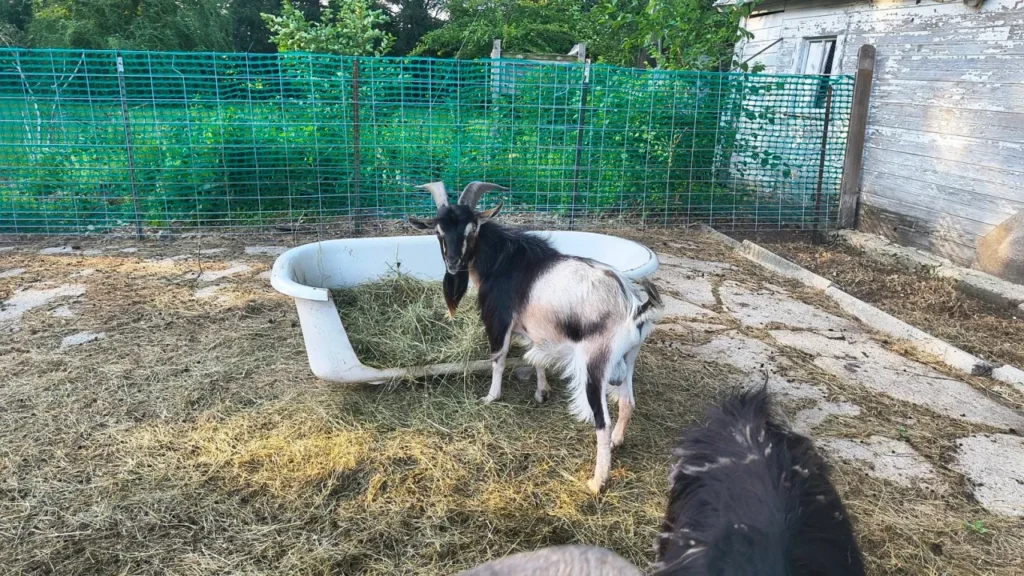
When people first see our Arapawa goats Happy Little Hooves Farm, they’re often struck by their distinctive beauty—their rich coats gleaming in the sunlight, their alert expressions full of intelligence and curiosity. What they might not realize is that they’re looking at some of the rarest animals on Earth.
With fewer than 700 Arapawa goats remaining worldwide, every single animal represents a precious thread in the tapestry of agricultural biodiversity. At Happy Little Hooves Farm, we’ve made the conscious decision to dedicate ourselves to raising and preserving these remarkable creatures, and today we want to share why this mission means so much to us—and why it should matter to you too.
A Heritage Written in DNA
Arapawa goats carries within its genes a story that spans centuries and continents. Originally descended from goats brought to New Zealand’s Arapawa Island by early European explorers and whalers in the 1770s, these animals evolved in isolation for centuries. This unique evolutionary journey created a distinct breed with characteristics found nowhere else on Earth.
What makes them truly special isn’t just their rarity—it’s their incredible hardiness, adaptability, and gentle temperament. These goats thrived on a remote island with minimal human intervention, developing traits that make them exceptional mothers, efficient foragers, Parasite resistant and surprisingly personable companions.
More Than Just Numbers: Why Every Arapawa Goat Matters
When we talk about only 700 Arapawa goats remaining globally, we’re not just discussing statistics. We’re talking about genetic diversity that took centuries to develop and could be lost forever in a generation. Each breeding pair represents irreplaceable genetic material that contributes to the breed’s resilience and unique characteristics.
To put this in perspective, most livestock breeds need a minimum population of 1,000 breeding animals to maintain genetic health long-term. With Arapawa goats sitting at just around 700 total animals worldwide—including kids, elderly animals, and those not suitable for breeding—we’re operating with an incredibly narrow genetic bottleneck. Every single goat carries unique genetic combinations that cannot be replicated once lost.
This genetic scarcity means that even seemingly small losses can have catastrophic effects. A disease outbreak, natural disaster, or even the death of a few key breeding animals could eliminate entire genetic lines that have existed for centuries. Unlike common breeds where individual animals can be easily replaced, each Arapawa goat is genetically irreplaceable.
The situation becomes even more critical when we consider inbreeding coefficients. With such a small population, maintaining genetic diversity requires careful planning and cooperation. Every breeding decision must balance the need to preserve unique genetic lines while avoiding the problems that come with too much inbreeding—reduced fertility, increased disease susceptibility, and loss of the hardy traits that make Arapawa goats so special.
We understand that conservation isn’t just about maintaining numbers, it’s about preserving the complete genetic heritage that makes Arapawa goats who they are. Our breeding program focuses on maintaining genetic diversity while selecting for the hardy, adaptable traits that have allowed these goats to survive and thrive for generations. We participate in genetic testing and maintain detailed pedigree records, ensuring that every breeding decision contributes positively to the global gene pool.
What makes this even more poignant is that Arapawa goats possess genetic traits that could prove invaluable in the future. Their ability to thrive on poor forage, their disease resistance developed through natural selection, and their exceptional mothering abilities represent genetic solutions to challenges that modern agriculture may face as climate change and environmental pressures increase. Losing these traits would be like throwing away a genetic toolbox that nature spent centuries perfecting.
The Perfect Homestead Partner
Beyond their conservation value, Arapawa goats make exceptional additions to small farms and homesteads. Their medium size—does typically weighing 60-80 pounds and bucks up to125 pounds—makes them manageable for families while still being substantial enough to be productive.
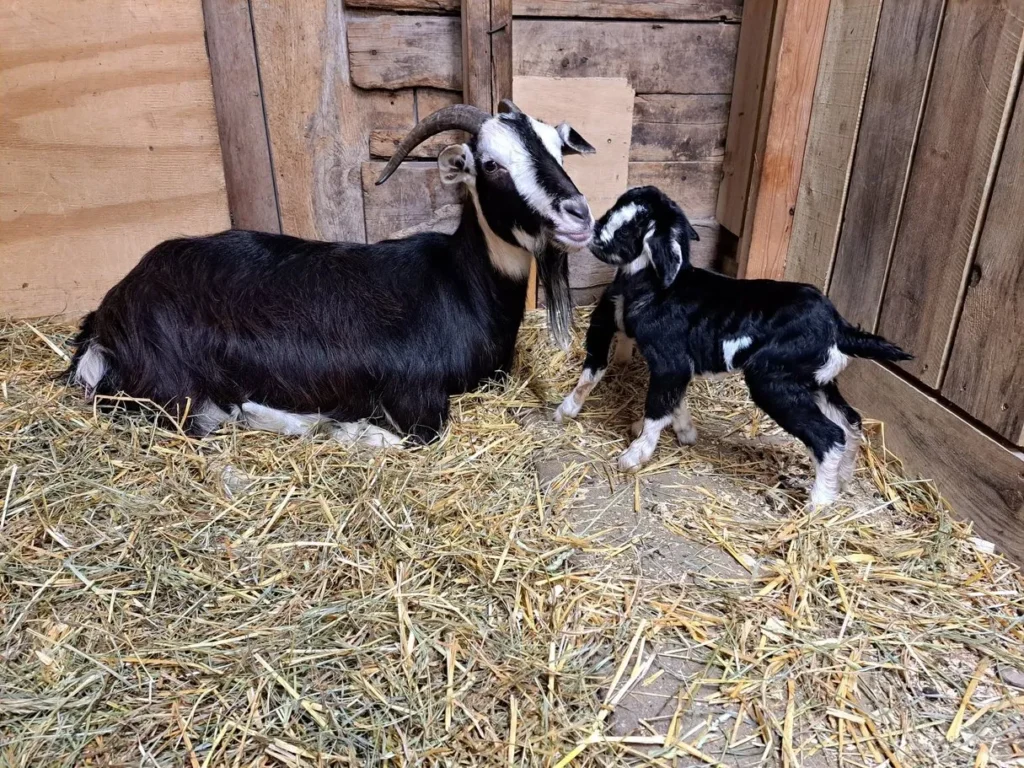
Arapawa does are naturally attentive mothers who rarely need assistance during kidding and consistently raise healthy, vigorous kids. Their maternal instincts, honed by centuries of survival on Arapawa Island without human intervention, mean they know how to protect and nurture their young. Most does easily raise twins and often triplets, with minimal intervention required.
Milk production, while not as high as specialized dairy breeds, is respectable and comes with the advantage of rich, flavorful milk perfect for family use. Their milk has a distinctly sweet and nutty flavor to it, almost a hint of sweet, raw almonds, and feel much richer in the mouth.
As natural browsers, Arapawa goats excel at land management. They prefer eating brush, weeds, and overgrown vegetation that other livestock often ignore, making them excellent partners in pasture improvement and fire prevention. This natural behavior means they require less supplemental hay and grain than breeds that primarily graze grass, reducing feed costs while improving your land.
Their calm, friendly dispositions make them wonderful around children and visitors. Arapawa goats tend to be gentle and respectful of human space while still being curious and interactive. Their intelligence means they’re easily trained to lead, load into trailers, and respond to their names. They adapt well to rotational grazing systems and respect electric fencing once properly introduced and trained.
What makes them particularly valuable for sustainable homesteading is their overall hardiness and low-maintenance nature. Developed through natural selection rather than intensive breeding for single traits, they retain strong immune systems, and the ability to thrive on marginal forage. They’re less prone to the metabolic disorders and reproductive problems that plague some highly selected modern breeds, making them reliable partners for families who want productive animals without constant veterinary interventions.
“It’s Just a Goat” Why That Thinking is very Dangerous
We’ve all heard it before. When we explain our passion for conserving Arapawa goats, someone inevitably shrugs and says, “But it’s just a goat. There are plenty of other goats around.” This dismissive attitude represents one of the greatest threats to biodiversity conservation, and it reveals a fundamental misunderstanding of how genetics, agriculture, and ecosystem stability actually work.
Yes, there are millions of goats in the world. But saying an Arapawa goat is “just a goat” is like saying the Mona Lisa is “just a painting” because there are millions of other paintings in existence. Each breed represents a unique genetic library that took centuries or millennia to develop, containing solutions to survival challenges that we may not even recognize yet.
When people say “it’s just a goat,” they’re usually thinking about the common commercial breeds that dominate modern agriculture—breeds selected for maximum production in controlled environments with heavy inputs of grain, antibiotics, and veterinary care. These industrial breeds, while productive, are often genetic monocultures that lack the resilience and adaptability that rare breeds like the Arapawa possess.
The “just a goat” mentality reflects our society’s dangerous tendency to view everything through the lens of immediate economic utility. This thinking led to the loss of thousands of livestock breeds over the past century. The American Livestock Breeds Conservancy estimates that we’ve lost over 1,000 breeds of livestock worldwide in the last 100 years. Each loss represented genetic resources that can never be recovered—solutions to problems we didn’t know we’d face.
Consider what we’ve learned from other “just a” conservation stories. The prairie grasses that settlers dismissed as “just weeds” turned out to be crucial for preventing soil erosion and maintaining water cycles. The wolves that ranchers eliminated as “just predators” were essential for maintaining healthy ecosystem balance. The heritage seed varieties that were replaced by modern hybrids contained genetic resistance to diseases and climate stresses that we desperately need now as growing conditions change.
Arapawa goats aren’t “just goats”—they’re a genetic time capsule containing centuries of natural selection for survival traits that modern breeds have lost. Their ability to thrive on poor forage, resist diseases without antibiotics, and successfully reproduce without human intervention represents genetic solutions that could become invaluable as climate change challenges conventional agriculture.
When we lose a breed like the Arapawa, we don’t just lose the animals—we lose genetic diversity that could help other breeds adapt to future challenges. We lose traditional knowledge about sustainable animal husbandry. We lose living examples of how animals can thrive in partnership with their environment rather than in spite of it.
The “just a goat” attitude also ignores the cultural and historical significance of these animals. Arapawa goats carry within their genes the story of human exploration, survival, and adaptation. They represent a living connection to maritime history and the ingenuity of people who survived in harsh, isolated conditions.
So the next time someone tells you that conserving rare breeds doesn’t matter because “it’s just a goat,” remind them that we said the same thing about passenger pigeons, American chestnuts, and countless other species we wish we still had. In conservation, there are no “just” anything—only irreplaceable genetic resources that, once lost, are gone forever.
Our Commitment to the Future
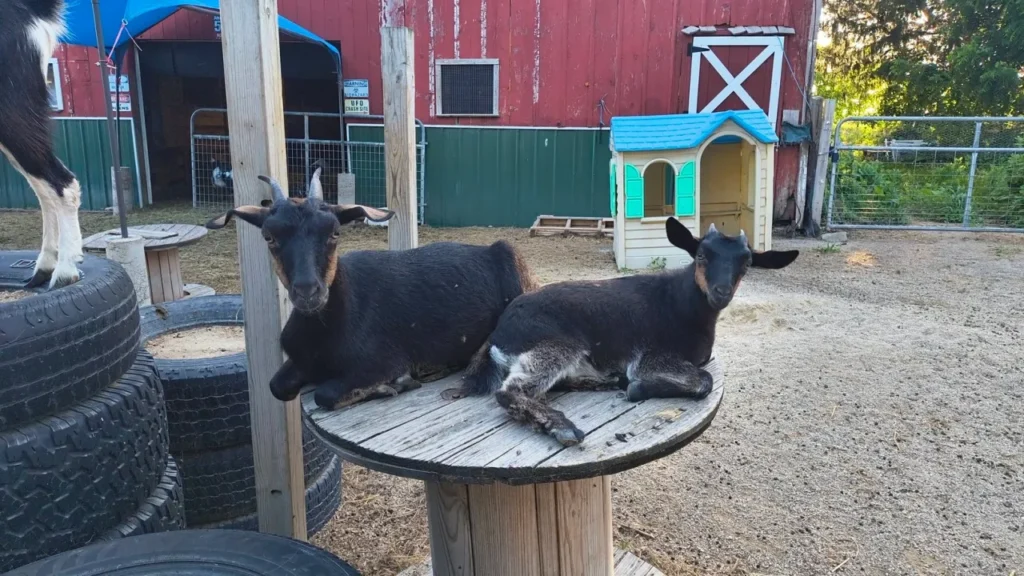
Every day at Happy Little Hooves Farm, we’re working toward a future where Arapawa goats are no longer critically endangered. Our breeding program follows strict genetic guidelines to ensure we’re contributing positively to the global population. We maintain detailed records, participate in genetic testing, and work closely with other Arapawa breeders around the world to coordinate our conservation efforts.
But our mission extends beyond breeding. We’re committed to education, helping others understand why preserving rare breeds matters. When industrial agriculture focuses on just a handful of highly productive breeds, we lose genetic resources that could be crucial for adapting to future challenges like climate change or emerging diseases.
The Ripple Effect of Conservation
When you support rare breed conservation, you’re supporting more than just the animals themselves. You’re supporting sustainable agriculture, genetic diversity, and the preservation of agricultural heritage. You’re also supporting small farms like ours that choose to prioritize conservation over maximum profit.
Every person who learns about Arapawa goats, every family who chooses to raise them, and every consumer who supports rare breed products creates a ripple effect that strengthens the future of these remarkable goats.
How You Can Help
The survival of Arapawa goats depends on people like you who recognize their value and want to make a difference. Whether you’re interested in raising Arapawa goats yourself, supporting conservation organizations, or simply spreading awareness about rare breeds, every action really does matter.
If you’re considering adding goats to your homestead, we encourage you to think about choosing a rare breed like the Arapawa goat. Not only will you gain wonderful animals that bring joy and practical benefits to your farm, but you’ll become part of a global conservation effort that future generations will thank you for.
A Legacy Worth Preserving
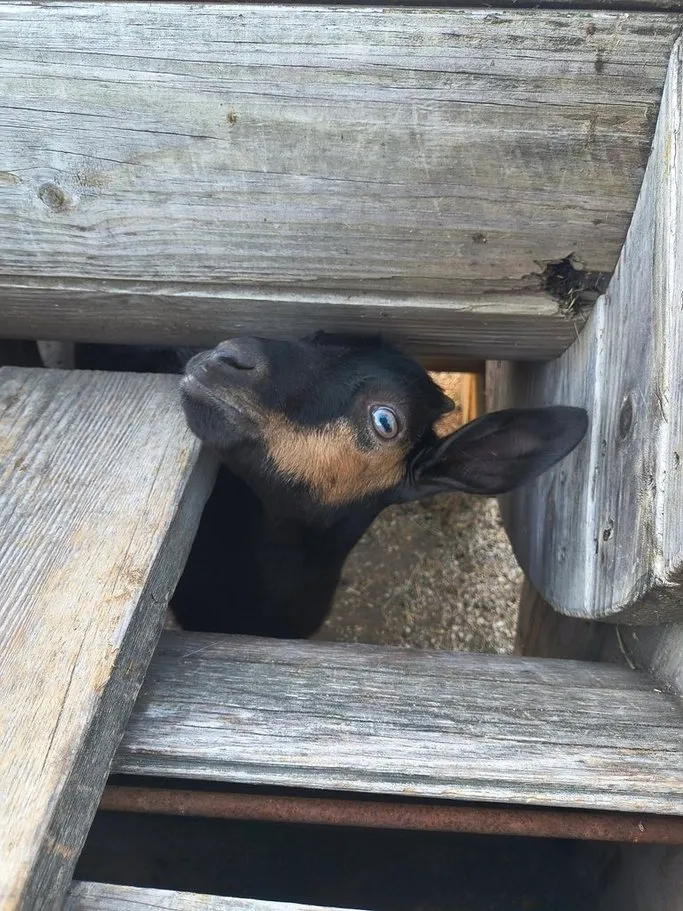
As we watch our Arapawa goats in the evening light, content and healthy, we’re reminded that we’re not just farmers, we’re guardians of a living legacy. These goats represent resilience, adaptation, and the incredible diversity of life that makes our world richer and more beautiful.
We are so proud to play our part in ensuring that future generations will have the opportunity to know and appreciate these remarkable animals. Because in a world where so much is being lost, being able to preserve something truly special feels like the most important work we could be doing.
The next time you see a Arapawa goat, remember: you’re not just looking at a “just a goat”. You’re looking at survivors, at genetic treasures, at hope for the future walking on four legs. And that’s something worth protecting.
Shawn Sweeney
Follow our journey at Happy Little Hooves Farm as we continue our mission to preserve critically endangered Arapawa goats and provide loving care to special needs animals. Each day brings new adventures, challenges, and joy in working with these remarkable creatures
Leave a Reply