NOT JUST A GOAT FARMER
May 29, 2025 · Shawn Sweeney
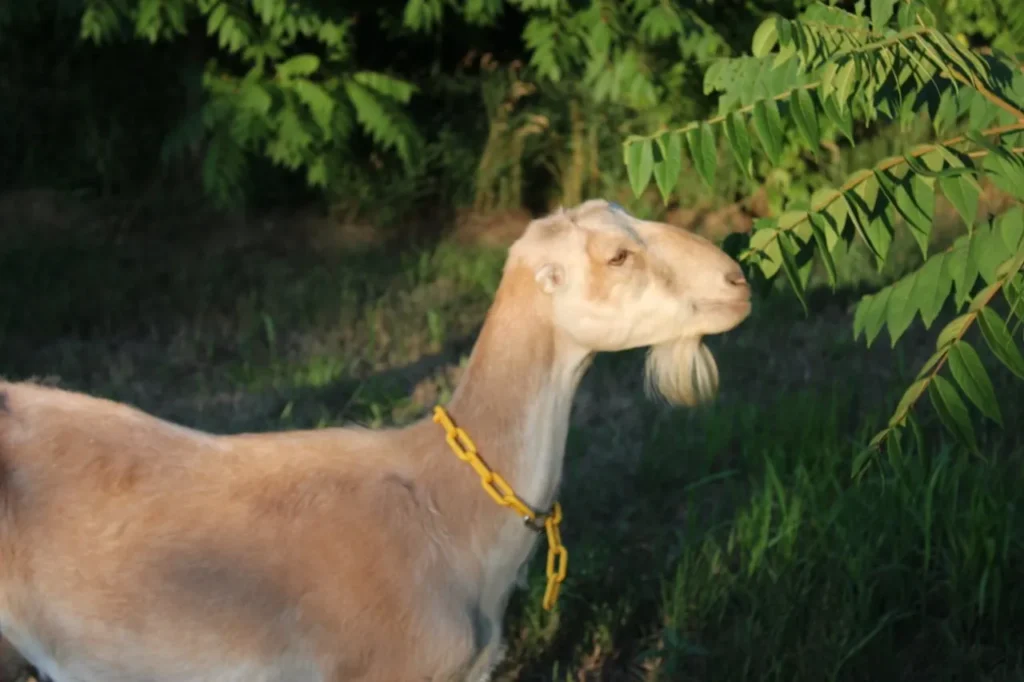
When people hear “goat farmer,” they often picture someone simply feeding animals and collecting milk. But anyone who has spent time raising goats knows the truth: goat farming is one of the most diverse professions on earth. Every day brings a new challenge that requires switching between countless roles, each demanding its own set of skills, knowledge, and problem-solving abilities.
The Veterinarian’s Hat
Perhaps no role is more critical than that of the on-site veterinarian. When your doe is in labor at 2 AM on a Sunday, there’s no waiting for office hours. You become the midwife, carefully repositioning a breached kid or making split-second decisions that can save both mother and baby. You learn to read the subtle signs of illness—a slightly drooped ear, a change in appetite, or unusual behavior that signals trouble brewing.
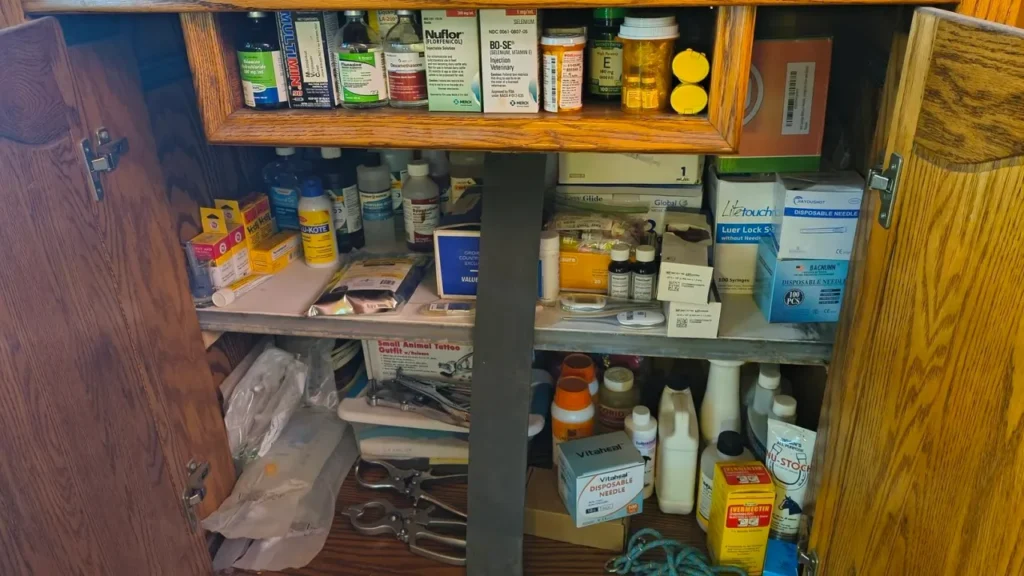
Administering injections, treating wounds, managing parasites, and understanding nutrition become second nature. You develop an arsenal of remedies and treatments, knowing when to reach for the penicillin, when to call the real vet, and when to trust your instincts. Your medicine cabinet rivals that of a small clinic, stocked with syringes, antibiotics, probiotics, electrolytes, and emergency supplies.
The Engineer’s Hat
Goat farming demands constant innovation and problem-solving. Fencing that works for other livestock crumbles before the determined escape artist that is a goat. You become a structural engineer, designing gates that can withstand the test of curious hooves and calculating the perfect height and tension for fencing that actually contains your herd.
Water systems freeze in winter, requiring creative heating solutions. Feeders need redesigning when goats figure out how to waste half their hay. You build shelters that provide adequate ventilation while protecting from wind and rain. Every structure must be “goat-proofed”—a unique engineering challenge that considers their climbing abilities, chewing habits, and uncanny ability to find the weakest point in any design.
The Nutritionist’s Hat
Balancing goat nutrition is part art and part science. You learn to read feed labels like a scientist, understanding protein percentages, calcium-to-phosphorus ratios, and the importance of copper and selenium. Different life stages require different nutritional approaches, pregnant does need extra nutrition, growing kids have specific requirements, and breeding bucks need careful management to prevent urinary calculi.
You become an expert on local forage, knowing which plants provide the best nutrition and which ones to avoid. Hay quality assessment becomes a daily skill as you evaluate color, smell, texture, and leaf-to-stem ratios. You calculate feed conversion ratios and adjust rations based on weather, pregnancy status, and milk production goals.
The Meteorologist’s Hat
Weather affects every aspect of goat management. You develop an intimate relationship with weather forecasts, planning breeding schedules around seasonal changes and preparing for temperature swings that can stress your animals. You learn that humidity affects parasite loads, and that sudden temperature changes can lead to respiratory issues.
Storm preparation becomes routine—securing shelters, ensuring water won’t freeze, and having backup power for essential systems. You understand how seasonal changes affect your goats’ nutritional needs and behavior patterns.
The Business Manager’s Hat
Running a goat operation requires sharp business skills. You track expenses down to the penny, analyzing feed costs, veterinary bills, and infrastructure investments. Record-keeping becomes essential for tracking breeding dates, health treatments, milk production, and financial performance.
You develop marketing strategies for your products, whether that’s milk, cheese, meat, breeding stock or even Baby goat snuggling events. Customer relations, pricing strategies, and seasonal planning all fall under your responsibility. Tax preparation requires understanding agricultural exemptions, depreciation schedules, and the complex world of farm accounting.
The Carpenter’s Hat
Goats are notoriously hard on infrastructure. You become skilled with hammer and saw, constantly repairing fencing, reinforcing gates, and building new structures. Shelters need regular maintenance, hay feeders require modifications, and milking stands need adjustments for different-sized animals.
Your carpentry skills extend beyond basic repairs to creative solutions—building custom breeding pens, designing efficient milking parlors, and constructing storage systems that keep feed dry and accessible while preventing waste.

The Mechanic’s Hat
Farm equipment requires constant maintenance. Tractors need oil changes and repairs, water pumps fail at inconvenient times, and generators require regular servicing. You learn to troubleshoot electrical systems, repair hydraulic lines, and maintain everything from chainsaws to milking machines.
Emergency repairs often can’t wait for a service call. When the water system fails during a heat wave or the hay elevator breaks during harvest, you become the emergency repair crew, working with whatever tools and parts you have on hand.
The Midwife’s Hat
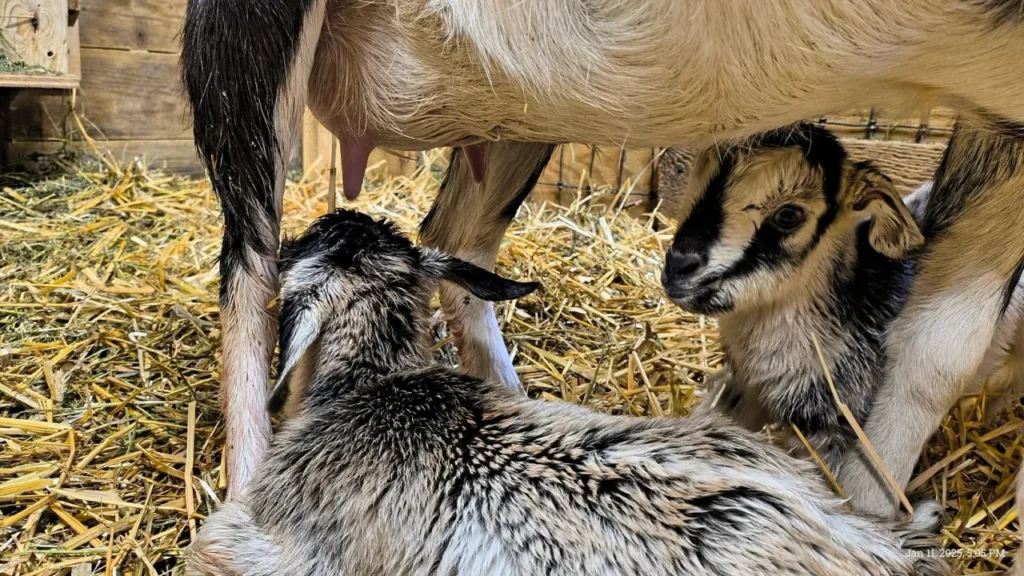
Kidding season transforms you into a skilled midwife. You learn to recognize the signs of impending labor, when to intervene, and when to let nature take its course. Difficult births require calm decision making under pressure, knowing when to assist and when to step back.
Post birth care involves ensuring kids are breathing properly, helping with first nursing, and monitoring the doe for complications. You become expert at reading the subtle signs that indicate whether everything is progressing normally or if intervention is needed.
The Landscaper’s Hat
Pasture management requires understanding soil health, plant species, and rotational grazing systems. You learn to identify beneficial plants versus weeds, understand how different grasses respond to grazing pressure, and manage pastures for optimal nutrition and sustainability.
Fence line maintenance, brush clearing, and water system installation all require landscaping skills. You develop an eye for drainage patterns, understand how topography affects pasture use, and learn to work with natural systems rather than against them.
The Educator’s Hat
Whether teaching children about agriculture, training new goat owners, or sharing knowledge with fellow farmers, education becomes part of your role. You learn to communicate complex concepts about animal husbandry, nutrition, and farm management to audiences with varying levels of experience.
Social media and farming communities provide platforms for sharing knowledge and learning from others. You become both student and teacher, constantly learning new techniques while sharing your own hard experience.
The Plumber’s Hat
Water systems on farms face unique challenges. You learn to install frost-free hydrants, repair leak-prone connections, and design systems that provide clean water year-round. Automatic waterers require regular maintenance, and backup systems become essential when primary systems fail.
Understanding water pressure, pipe sizing, and drainage prevents costly mistakes and ensures your animals always have access to clean water.
The Conclusion: More Than Just a Farmer
The next time someone refers to you as “just a goat farmer,” smile and remember all the hats hanging in your closet. You’re a veterinarian, engineer, nutritionist, business manager, carpenter, mechanic, midwife, landscaper, educator, and plumber—often switching between multiple roles within a single hour.
This diversity is what makes goat farming both challenging and rewarding. Every day brings new problems to solve, new skills to develop, and new ways to care for your animals. You’re not just raising goats; you’re managing a complex operation that requires expertise across dozens of disciplines.
The knowledge you’ve gained through necessity, the skills you’ve developed through trial and error, and the intuition you’ve honed through countless hours of animal observation make you far more than “just” anything. You’re a professional who has mastered multiple trades, all in service of providing the best possible care for your goats and running a successful farm.
So wear those many hats with pride. Each one represents knowledge hard-earned and skills that make you an invaluable part of the agricultural community. You’re not just a goat farmer you’re a professional who happens to work with some of the most entertaining and challenging animals on the planet.
Shawn Sweeney
Follow our journey at Happy Little Hooves Farm as we continue our mission to preserve critically endangered Arapawa goats and provide loving care to special needs animals. Each day brings new adventures, challenges, and joy in working with these remarkable creatures.
Leave a Reply