Critically Endangered Heritage Goats
About Our San Clemente Island Goats
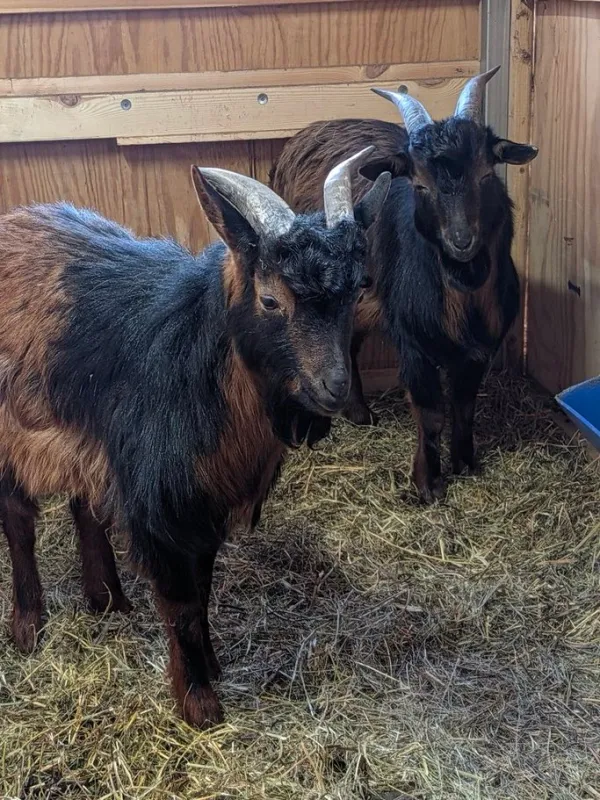
A remarkable island history. A genetically unique breed. A future worth protecting.
Imagine a breed of goats that once numbered in the thousands, roaming an island off the coast of California, only to nearly disappear within a few decades.
That’s the extraordinary story of the San Clemente Island goat.
Today, these beautiful animals are among the rarest heritage goat breeds in North America, and we’re proud to help preserve them at Happy Little Hooves Farm in Sterling, Illinois.
For us, raising San Clemente Island goats isn’t simply about adding another breed to our farm. It’s about accepting responsibility for protecting a piece of living history.
From an Island of Thousands to the Brink of Extinction
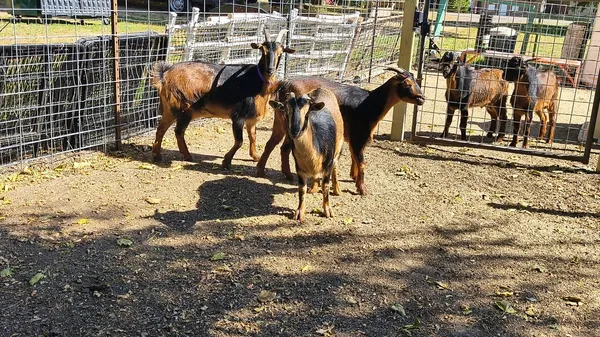
San Clemente Island lies approximately 68 miles west of San Diego, California. The island is owned by the United States government and managed by the U.S. Navy.
In 1875, goats were reportedly brought to San Clemente Island from neighboring Santa Catalina Island.
Over generations, these goats adapted to their island environment, eventually developing into the distinctive population we recognize today.
When the U.S. Navy assumed responsibility for the island in 1934, hunting and trapping of goats were permitted.
By 1972, an estimated 15,000 goats lived on the island. But their future was about to change dramatically.
Concerns about damage to native plants and wildlife led to a systematic goat removal program.
By 1980, the island’s goat population had fallen to approximately 4,000 animals.
Within just a few years, a population that had survived for generations was facing an uncertain future.
The Fight to Save the San Clemente Island Goats
As the U.S. Navy continued its efforts to remove goats from San Clemente Island, plans were developed to shoot the remaining animals from helicopters.
But an animal welfare organization called Fund for Animals challenged the proposed shooting program in court.
The legal challenge helped establish an alternative approach that allowed thousands of goats to be captured and transported to the mainland instead.
Under the resulting arrangements, approximately 3,000 San Clemente Island goats were removed from the island and returned to domestication.
Fund for Animals placed many of these goats with agreements that prohibited their new owners from breeding them. Other goats went directly from the transport barges to private individuals and farms.
Although many animals survived removal from the island, only a portion became part of breeding populations capable of preserving the breed for future generations.
The goats had survived the island removal program, but the battle to preserve their unique genetic heritage was far from over.
A Genetic Discovery That Changed Everything
For years, questions surrounded the origins of San Clemente Island goats. Where exactly did their ancestors come from? How closely related were they to other domestic goat breeds?
In 2007, The Livestock Conservancy, working with the University of Córdoba in Spain, conducted a DNA study to better understand the breed’s genetic background.
What researchers discovered made these goats even more remarkable.
The study identified San Clemente Island goats as genetically distinct from the other goat breeds examined.
This finding highlighted the breed’s unusual genetic heritage and raised important questions about its ancestry that researchers are still working to understand.
Today, San Clemente Island goats remain on The Livestock Conservancy’s Conservation Priority List with a Critical classification.
Preserving this breed means protecting genetic characteristics that could be lost forever if its remaining breeding population disappears.
These aren’t just rare goats. They’re an irreplaceable part of our agricultural heritage.
What Makes San Clemente Island Goats So Special?
These critically endangered goats have a distinctive appearance, remarkable history, and characteristics that make them an important part of our livestock heritage.
Beautiful & Distinctive Appearance
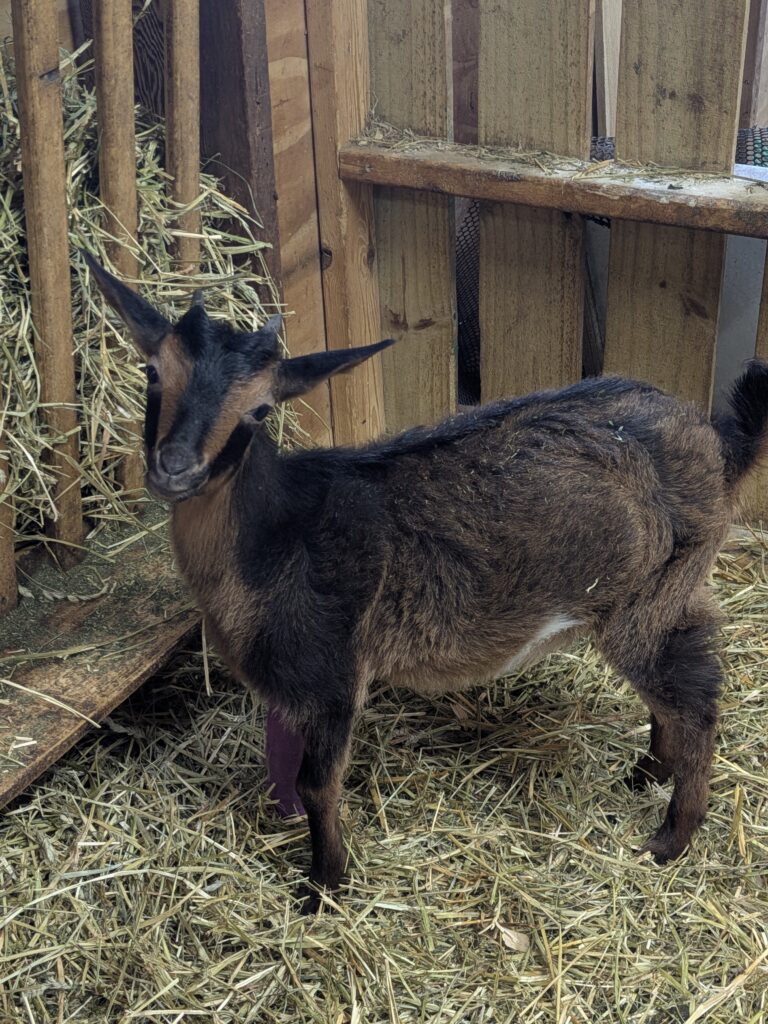
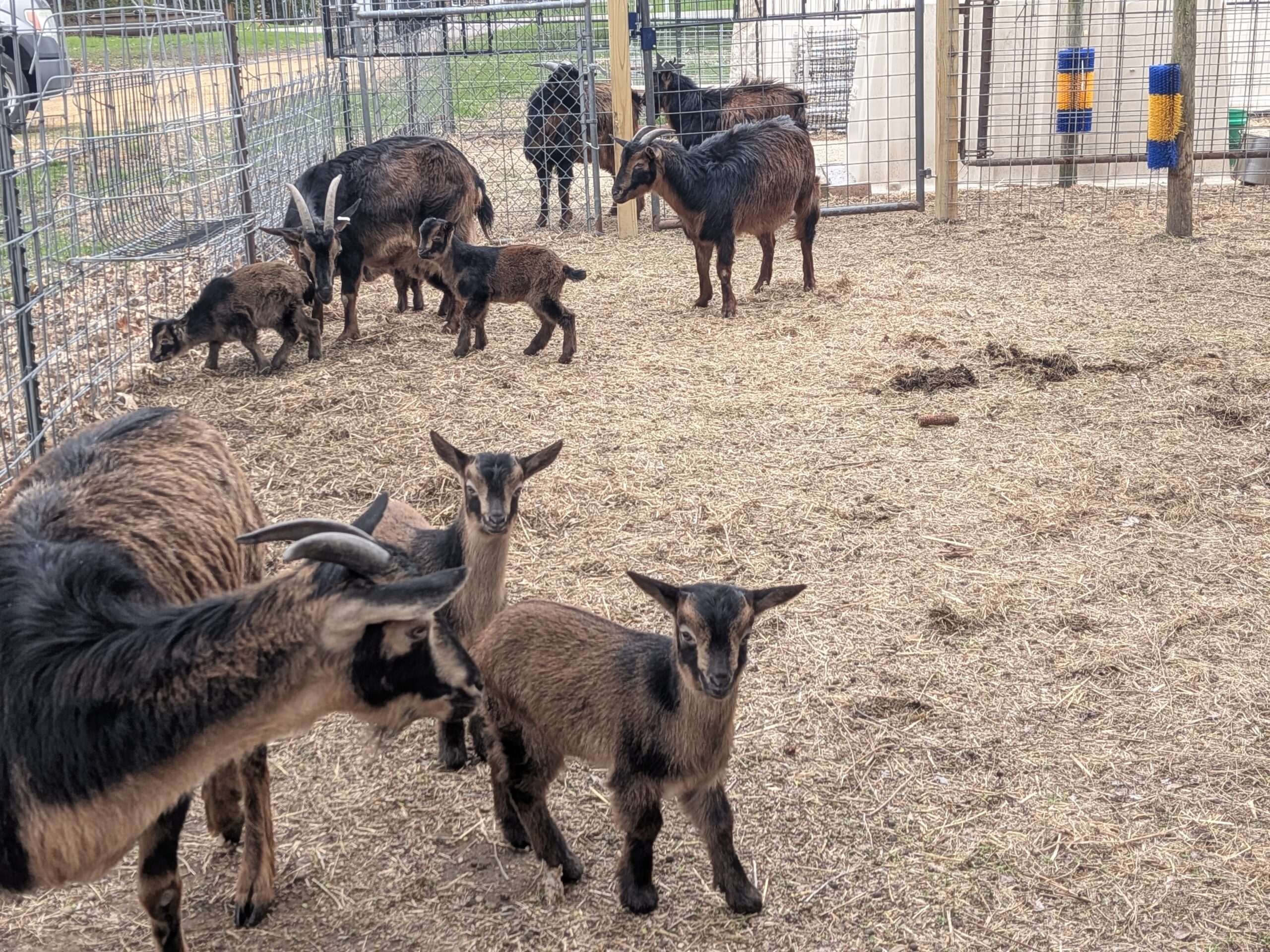
San Clemente Island goats are generally small to medium-sized, with a fine-boned, graceful, deer-like build.
They’re best known for their striking brown and black coloring, although other coat colors and variations can occur.
Hardiness & Excellent Mothers
Generations spent surviving in the rugged environment of San Clemente Island helped shape an adaptable and resourceful breed.
San Clemente Island does are valued for their maternal abilities. Like all domestic goats, they still need proper nutrition, health monitoring, and veterinary care.
Rich Milk & Versatility
San Clemente Island goats are a multipurpose heritage breed with potential uses for dairy, meat, brush management, and fiber.
Their milk is known for its creamy richness and can be used for homestead dairy products such as cheese and soap. Milk production and butterfat levels vary between individual goats.
Why Saving San Clemente Island Goats Matters
When a heritage livestock breed disappears, we lose something that can never truly be replaced.
San Clemente Island goats carry a unique genetic heritage shaped by generations of isolation and adaptation. Preserving this breed helps protect livestock biodiversity and keeps valuable genetic resources available for future generations.
Historical population estimates have placed approximately 1,700 San Clemente Island goats across 27 U.S. states and three Canadian provinces. Although these figures are not a verified current census, they illustrate just how small and vulnerable this breed’s population has been.
When a population is this limited, every responsible breeding decision matters. Protecting genetic diversity, maintaining accurate records, and cooperating with other conservation breeders are essential to the breed’s long-term survival.
Our Commitment at Happy Little Hooves Farm
Here at Happy Little Hooves Farm in Sterling, Illinois, we’re proud to be stewards of two critically endangered goat breeds: the Arapawa and the San Clemente Island goat.
For us, conservation breeding isn’t simply about producing more baby goats. It’s about preserving bloodlines, raising healthy animals, protecting genetic diversity, and making decisions that benefit these breeds for generations to come.
Our commitment includes careful breeding plans, dedicated daily care, proper nutrition, biosecurity, veterinary attention, and responsible herd management.
We also believe education is one of the most important parts of conservation. When people learn the history of these goats and understand how close they came to disappearing, they begin to appreciate why protecting them matters.
Every healthy kid born, every carefully planned breeding, and every person who learns about these goats brings us one step closer to securing their future.
Historical and breed information based on resources from The Livestock Conservancy and the San Clemente Island Goat Breeders Association.
Help Preserve a Breed That Nearly Disappeared
Every San Clemente Island goat represents a piece of living history. At Happy Little Hooves Farm, we’re committed to protecting this critically endangered breed through responsible conservation breeding, dedicated care, and public education.
Your support helps us continue our mission of preserving these extraordinary goats for future generations.
DONATE TO OUR MISSION